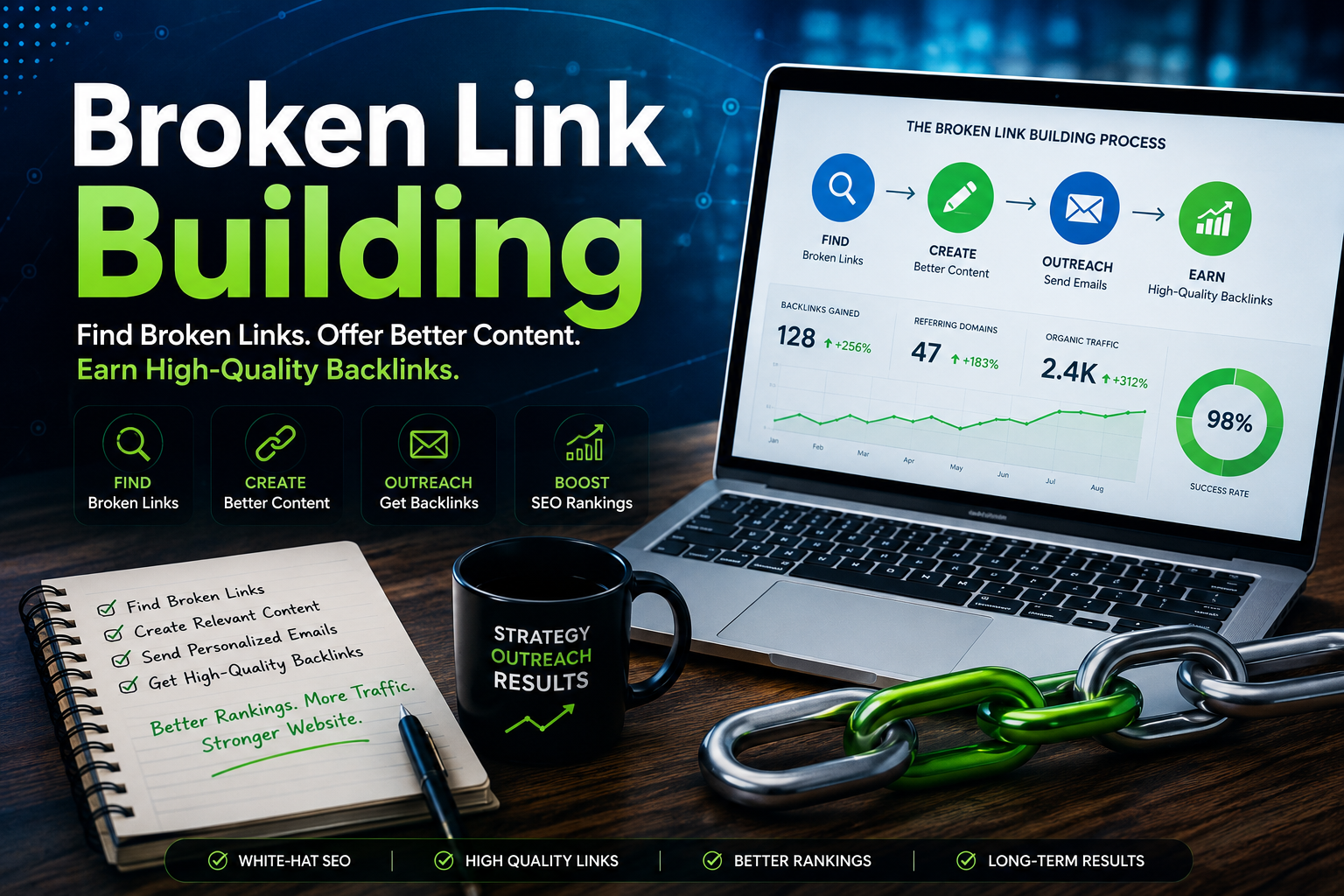
Broken Link Building is one of the most effective white-hat link building strategies for earning high-quality backlinks while helping website owners improve their user experience. Instead of asking for links outright, you identify broken links on relevant websites and suggest your own valuable content as a replacement.
This approach creates a win-win situation. Website owners fix outdated or dead links that could negatively impact their visitors, while you gain authoritative backlinks that strengthen your website’s SEO performance.
In this guide, you’ll learn how Broken Link Building works, why it’s still effective in 2026, the tools you need, common mistakes to avoid, and a step-by-step process for building high-quality backlinks using this proven strategy.
What Is Broken Link Building?
Broken Link Building is a white-hat SEO technique that involves finding broken or dead links on relevant websites and suggesting your own high-quality content as a replacement. Since broken links create a poor user experience, many website owners appreciate being notified and are willing to update them with useful, relevant resources.
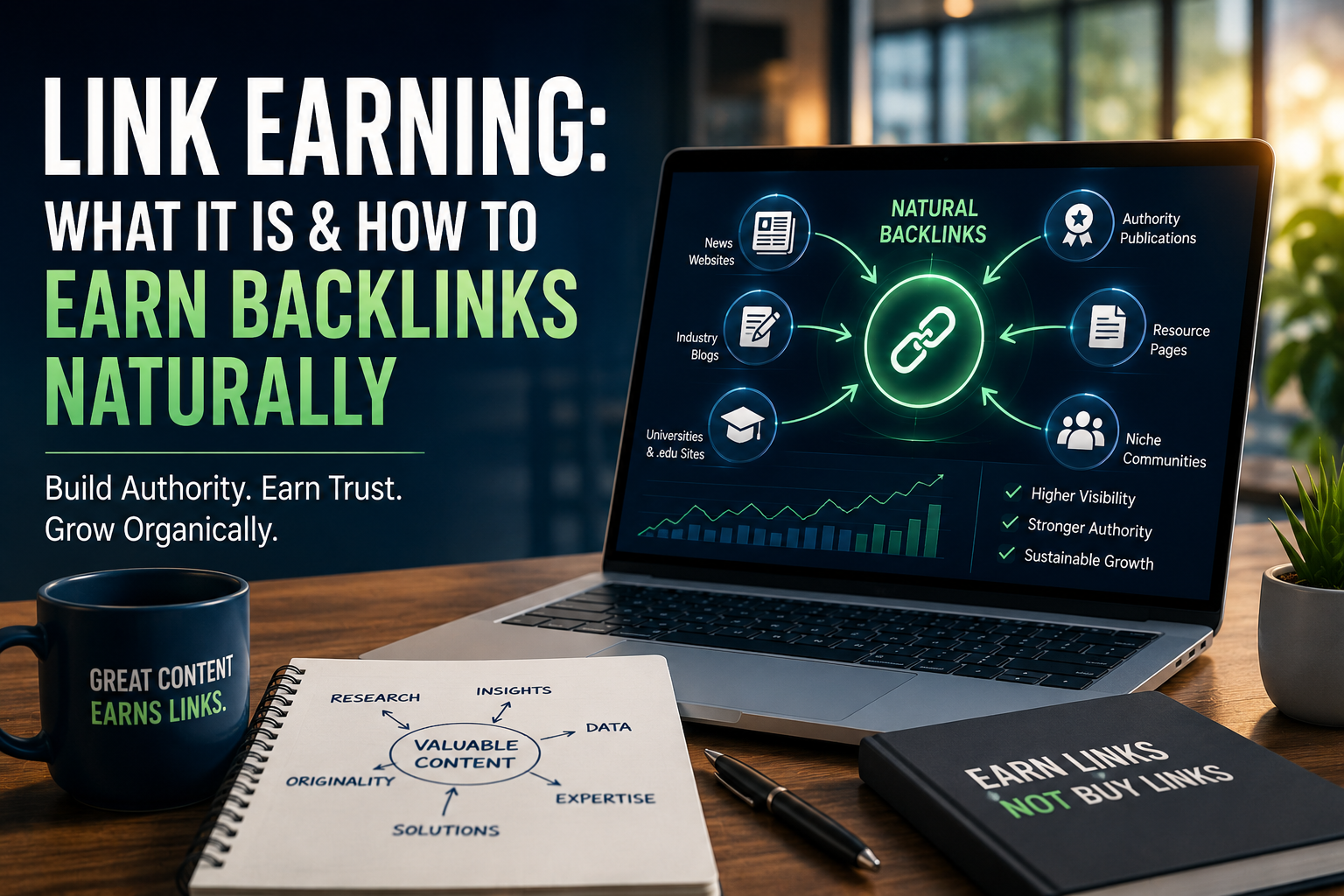
Unlike traditional link-building methods that simply ask for backlinks, this strategy focuses on providing value first. You help website owners fix outdated links while earning an editorial backlink that improves your website’s authority and search engine rankings.
Broken Link Building works best when your replacement content closely matches the original topic and offers equal—or greater—value to readers. When combined with personalized outreach, it remains one of the most effective and sustainable link-building strategies in 2026.
Why Broken Link Building Still Works in 2026
Search engines reward websites that provide a great user experience, and broken links do the opposite. They frustrate visitors, reduce trust, and can signal that a website isn’t being actively maintained. That’s why many website owners are happy to replace dead links with relevant, high-quality resources.
Broken Link Building succeeds because it isn’t just about asking for a backlink—it’s about solving a real problem. Instead of sending a generic outreach email, you’re helping website owners improve their content while introducing a valuable replacement.
This strategy continues to perform well in 2026 because it aligns with Google’s emphasis on helpful, relevant, and authoritative content. When your replacement page genuinely improves the reader’s experience, everyone benefits.
Key Benefits of Broken Link Building
Earn high-quality editorial backlinks.
Improve your website’s authority and SEO.
Help website owners fix broken resources.
Build genuine relationships with publishers.
Create long-term link-building opportunities.
How Broken Link Building Works (Step-by-Step)
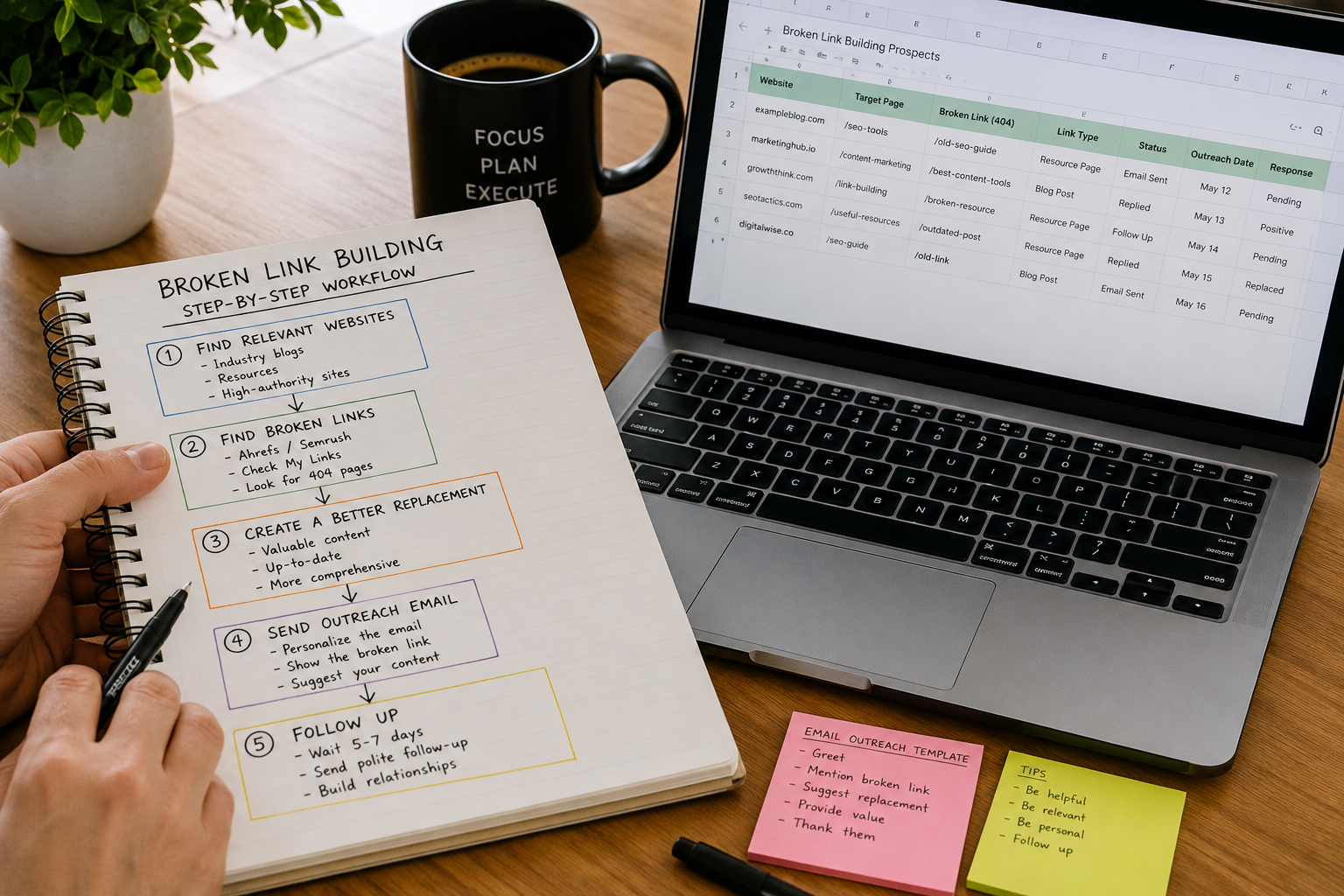
Broken Link Building follows a simple process: find broken links on relevant websites, create or identify a suitable replacement resource, and reach out to the website owner with a helpful suggestion. When done correctly, this strategy benefits both parties—you earn a quality backlink, and the website owner improves their user experience.
1. Find Relevant Websites
Start by identifying websites in your niche that publish valuable content. Focus on authoritative blogs, industry resources, educational websites, and companies that regularly update their content.
The more relevant the website is to your industry, the higher the value of the backlink.
2. Discover Broken Links
Use SEO tools such as Ahrefs, Semrush, or browser extensions like Check My Links to identify pages containing broken outbound links. These tools make it easy to spot 404 errors and outdated resources.
Look for broken links that previously pointed to content similar to what you already have—or plan to create.
3. Create a Better Replacement
If you don’t already have suitable content, create a comprehensive, up-to-date article that covers the same topic while providing more value than the original page.
Your replacement should be:
Well researched
Easy to read
Updated with current information
More useful than the dead resource
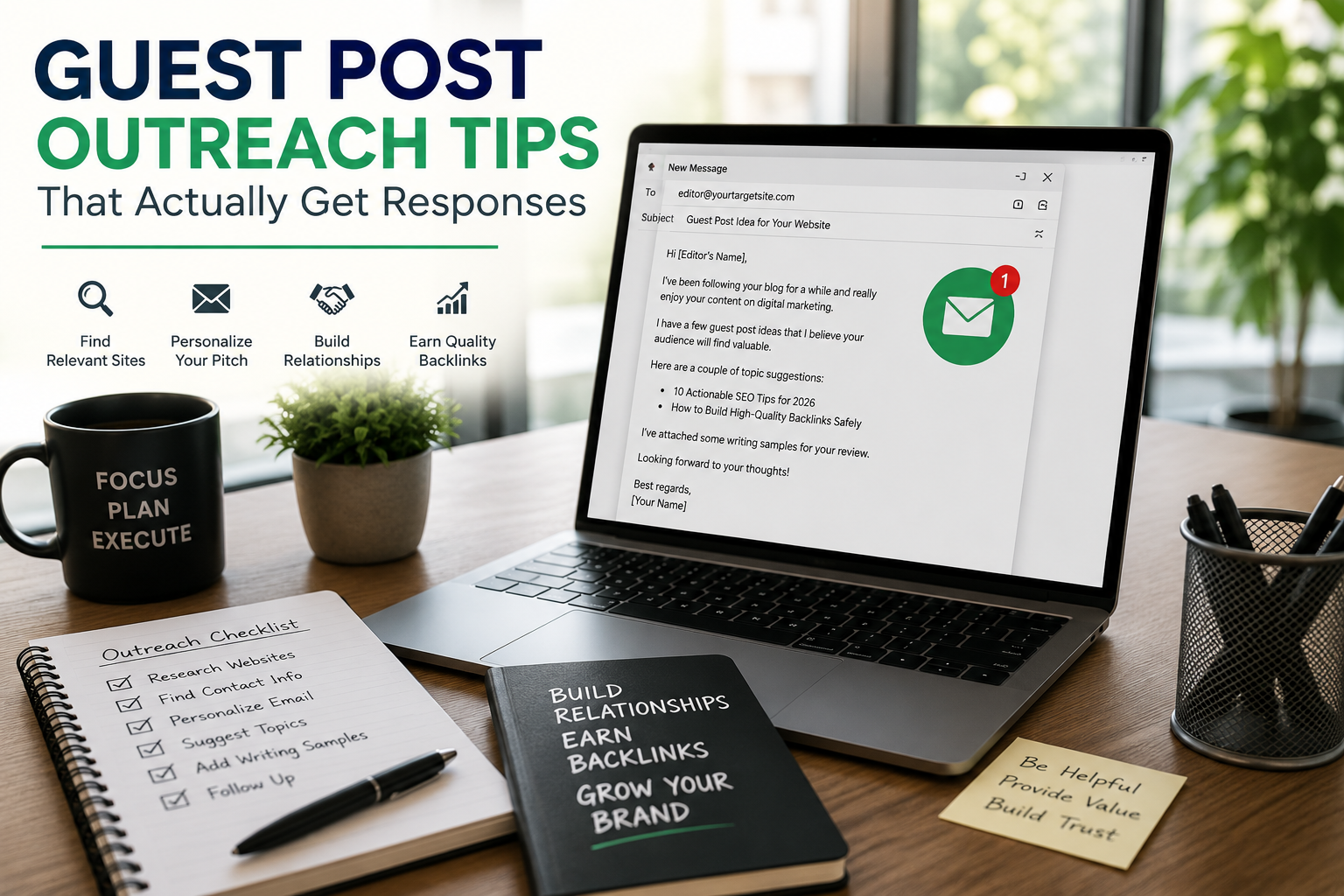
4. Send a Personalized Outreach Email
Contact the website owner politely and let them know you’ve found a broken link on their page. Include the exact page where the broken link appears and recommend your article as a helpful replacement.
Avoid sounding promotional. Your first goal is to help them fix an issue—not to ask for a backlink.
5. Follow Up Professionally
If you don’t receive a reply, send one polite follow-up after 5–7 days. Keep it short, friendly, and respectful. Many editors simply miss the first email.
A professional follow-up can significantly improve your success rate without damaging the relationship.
Best Tools for Broken Link Building
Finding broken links manually can take hours, but the right SEO tools make the process much faster and more efficient. Whether you’re managing a single website or running large-scale outreach campaigns, these tools can help you discover broken links, analyze backlink opportunities, and streamline your workflow.
1. Ahrefs
Ahrefs is one of the most popular SEO tools for Broken Link Building. Its Site Explorer helps you identify broken outbound links, analyze competitor backlinks, and discover high-value link opportunities.
Best for: Finding broken pages and backlink opportunities.
2. Semrush
Semrush offers powerful backlink analytics and site audit features that help uncover broken links across websites. It also provides insights into referring domains and outreach opportunities.
Best for: SEO audits and backlink analysis.
3. Check My Links
Check My Links is a free Chrome extension that scans web pages and instantly highlights broken links. It’s a simple but effective tool for quick prospecting.
Best for: Fast manual broken link checks.
4. Screaming Frog SEO Spider
Screaming Frog crawls websites and detects broken internal and external links. It’s widely used by SEO professionals for technical audits and large websites.
Best for: Technical SEO and website crawling.
5. Google Search Operators
Advanced Google search operators help you find resource pages, blogs, and websites where broken link opportunities are likely to exist.
Examples:
"resources" + "your niche"
"helpful links" + "your niche"
"recommended websites" + "your niche"
These searches can uncover valuable outreach prospects that your competitors may have overlooked.
Common Broken Link Building Mistakes to Avoid
Broken Link Building can deliver outstanding results, but only when it’s done correctly. Many outreach campaigns fail because marketers focus solely on getting backlinks instead of providing genuine value to website owners.
Avoid these common mistakes to improve your success rate.
1. Recommending Irrelevant Content
Your replacement page should closely match the topic of the broken link. If your content isn’t relevant, editors are unlikely to update their page.
2. Sending Generic Outreach Emails
Website owners receive countless outreach emails every week. Personalized messages that reference the exact broken link and explain why your content is a better replacement are much more effective.
3. Ignoring Content Quality
Even if you find a broken link, low-quality content won’t earn backlinks. Create comprehensive, accurate, and well-structured resources that genuinely help readers.
4. Skipping Follow-Ups
Many editors simply miss the first email. A polite follow-up after a few days often doubles your chances of receiving a reply.
5. Focusing on Quantity Instead of Quality
It’s better to secure a few backlinks from authoritative, relevant websites than dozens from low-quality sites. Prioritize quality over volume for long-term SEO success.
Pro Tip: Every outreach email should answer one question for the editor: “How does replacing this broken link improve my website?”
Why Broken Link Building Is Worth the Effort
Broken Link Building requires more research and personalization than many other link-building techniques, but the long-term rewards make the extra effort worthwhile. Rather than asking for backlinks without offering value, you’re helping website owners fix broken resources while recommending content that improves their pages.
This approach naturally leads to stronger relationships, higher-quality backlinks, and better SEO performance over time. Because the strategy is based on solving a genuine problem, it aligns with Google’s emphasis on helpful, user-focused content.
Long-Term Benefits
Earn editorial backlinks from trusted websites.
Improve your website’s authority and search rankings.
Increase referral traffic from relevant sources.
Build lasting relationships with website owners and editors.
Create a sustainable, white-hat link-building strategy.
Businesses that consistently invest in Broken Link Building often develop a stronger backlink profile than those relying on shortcuts or low-quality link-building tactics.
Conclusion
Broken Link Building remains one of the most effective white-hat SEO strategies for earning high-quality backlinks while helping website owners improve their websites. Instead of asking for links without offering value, you solve a real problem by replacing broken resources with useful, relevant content.
By finding the right opportunities, creating exceptional replacement content, and sending personalized outreach emails, you can build authoritative backlinks that improve search rankings, drive referral traffic, and strengthen your website’s credibility.
Focus on quality over quantity, stay consistent, and treat every outreach email as the beginning of a long-term relationship. Over time, Broken Link Building can become one of the most reliable and scalable parts of your SEO strategy.
🚀 Ready to Build High-Quality Backlinks?
Access our database of 5,000+ vetted publisher websites or request a custom website list tailored to your niche, target country, budget, and SEO goals.
Broken Link Building is a white-hat SEO strategy where you find broken links on websites and suggest your own relevant content as a replacement, helping both the website owner and your SEO.
Is Broken Link Building still effective in 2026?
Yes. When combined with quality content and personalized outreach, Broken Link Building remains one of the safest and most effective ways to earn editorial backlinks.
Which tools are best for Broken Link Building?
Popular tools include Ahrefs, Semrush, Screaming Frog SEO Spider, Check My Links, and Google Search Operators.
How do I find broken links?
You can use SEO tools to scan websites for 404 pages and broken outbound links or use browser extensions like Check My Links while browsing relevant websites.
Does Broken Link Building improve SEO?
Yes. High-quality backlinks earned through Broken Link Building can improve domain authority, keyword rankings, referral traffic, and overall organic visibility.
How many outreach emails should I send?
Send one personalized outreach email followed by one or two polite follow-ups if needed. Avoid sending repeated emails after that.