Search engines have changed significantly over the years, but backlinks remain one of the most important factors that influence website authority, trust, and organic visibility. However, the way businesses build backlinks has changed completely.
In the past, many websites focused on creating as many links as possible. Today, successful SEO depends on earning high quality backlinks from relevant, trusted websites that provide genuine value to users.
After working with websites across different industries, one thing has become clear: effective link building is not about chasing backlink numbers. The strongest SEO results come from building relationships, creating valuable content, and earning editorial mentions from websites that search engines and users already trust.
A few relevant backlinks from authoritative sources can create more impact than hundreds of low-quality links from unrelated websites.
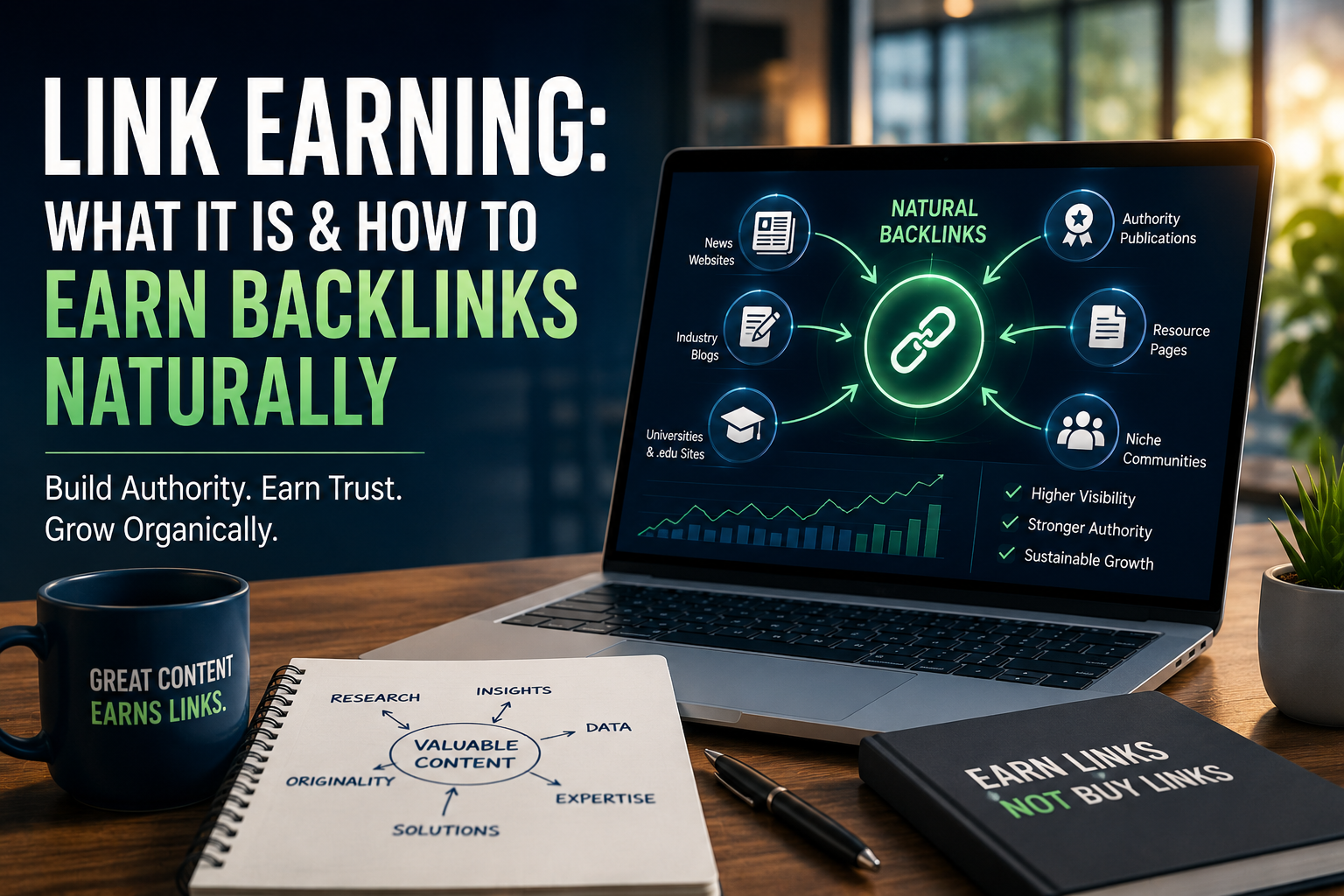
In 2026, white hat link building requires a strategic combination of content marketing, digital outreach, guest posting, niche edits, digital PR, and industry relationships.
In this guide, we will explain what makes a backlink valuable, how to build high quality backlinks safely, which white hat strategies work today, and how businesses can create a sustainable backlink profile that supports long-term organic growth.
What Are High Quality Backlinks?
A high quality backlink is an editorial link from another website that is relevant, trustworthy, and naturally points to your content. It acts as a recommendation, showing search engines that your website provides valuable information that users can trust.
However, not every backlink provides the same SEO value. Modern search engines focus on the quality, relevance, and context behind a link rather than simply counting the total number of backlinks a website has.
For example, a backlink from a respected marketing publication linking to an SEO agency’s guide can provide significantly more value than multiple links from unrelated websites with little authority.
A high quality backlink usually has these characteristics:
It comes from a website related to your industry or topic.
It is placed naturally within useful content.
It comes from a website with real visitors and a trusted reputation.
It helps users discover additional valuable information.
It appears as a genuine editorial recommendation.
In simple terms, a valuable backlink is not created only for search engines. It is created because another website believes your content is useful enough to recommend to its audience.
1. Website Relevance
Relevance is one of the most important factors in modern link building.
A backlink should come from a website that shares a connection with your industry, content topic, or target audience.
For example, a backlink from a digital marketing publication to an SEO agency is naturally relevant because both websites focus on related topics. The same link would carry less value if it came from an unrelated website with no connection to marketing.
Relevant backlinks help search engines better understand:
What your website is about
Which topics you have expertise in
Which audiences may find your content useful
The best backlinks create a meaningful connection between the linking page, your website, and the reader.
2. Website Authority and Trust
A high quality backlink usually comes from a website that has established credibility within its industry.
Important quality signals include:
Helpful and original content
Consistent publishing history
Real organic visitors
Positive reputation
Natural backlink profile
Industry recognition
SEO metrics such as Domain Authority (DA) and Domain Rating (DR) can help analyze websites, but they should not be the only factors considered.
A website with lower third-party metrics but a highly relevant audience can sometimes provide more value than a website with impressive numbers but no real users.
3. Contextual Placement
Where a backlink appears is just as important as where it comes from.
A contextual backlink is placed naturally inside relevant content where it provides additional value to readers.
For example:
An article explaining SEO strategies that naturally links to a detailed backlink building guide creates a meaningful connection between the two resources.
High quality contextual backlinks usually appear:
✅ Inside relevant paragraphs ✅ Surrounded by useful information ✅ Where readers would naturally want to learn more
Low-value placements often include:
❌ Random link lists ❌ Website-wide footer links ❌ Sidebar links ❌ Pages created only to sell links
The purpose of a backlink should always be improving the user’s experience.
4. Natural Anchor Text
Anchor text is the clickable text used for a backlink.
A natural backlink profile includes different types of anchor text instead of repeatedly using the same keyword.
Examples:
Branded Anchor:
✅ Elite Link Agency
Natural Anchor:
✅ Learn more about link building strategies
Keyword-related Anchor:
✅ white hat link building techniques
Avoid excessive exact-match anchors such as:
❌ Buy high quality backlinks ❌ Best high quality backlinks service
when used repeatedly across many websites.
Natural anchor text helps create a backlink profile that appears earned rather than manipulated.
5. Real Traffic Potential
The strongest backlinks can provide value beyond SEO rankings.
A backlink from a website with an active audience can generate:
Referral traffic
Brand awareness
Potential customers
Industry credibility
A quality backlink should answer one simple question:
“Would a real person find this link useful and click it?”
If the answer is yes, the backlink is likely providing genuine value.
Quick Answer
High quality backlinks are editorial links from relevant and trusted websites that naturally recommend your content. They improve website authority, strengthen search visibility, and can generate referral traffic when they are placed in valuable content for real users.e’s authority, credibility, and search visibility. The best backlinks come from authoritative sources, appear naturally within relevant content, and provide value to users.
Why Are Backlinks Still Important for SEO in 2026?
Backlinks remain an important part of SEO because they help search engines understand the relationship between websites, content quality, and industry authority.
When a trusted website links to your content, it acts as a signal that your page provides useful information worth recommending. However, modern SEO is no longer about collecting the largest number of backlinks.
In 2026, search engines place more importance on the quality, relevance, and context of backlinks. A few authoritative links from trusted sources can create more value than hundreds of unrelated or low-quality links.
Successful SEO campaigns focus on earning backlinks that support both search engines and real users.
1. Backlinks Help Establish Website Authority
Search engines use multiple signals to evaluate whether a website demonstrates expertise and credibility within a specific topic.
Relevant backlinks can support this process by showing that other websites recognize your content as valuable.
For example:
An SEO agency receiving mentions from marketing publications
A healthcare website being referenced by trusted medical resources
A software company earning links from technology communities
These relationships help strengthen a website’s authority within its industry.
2. Backlinks Improve Content Discovery and Visibility
Backlinks help search engines discover new pages and understand how different topics are connected across the web.
When authoritative websites reference your content, it creates additional pathways for users and search engines to find your pages.
Relevant backlinks can support:
Better content discovery
Stronger topical authority
Increased search visibility
Greater brand exposure
However, backlinks work best when combined with other SEO fundamentals such as helpful content, technical optimization, and strong internal linking.
3. Backlinks Can Generate Valuable Referral Traffic
A quality backlink is not only an SEO asset. It can also introduce your brand to a new audience.
When users click a link from a trusted website, they are often already interested in the topic being discussed.
This can lead to:
New website visitors
Brand awareness
Qualified leads
Potential customers
For this reason, the best backlinks are created with users in mind, not only search engine algorithms.
4. Backlinks Support Topical Authority
Modern SEO focuses heavily on demonstrating expertise around specific topics.
When multiple relevant websites reference your content, it helps create a stronger connection between your website and your industry.
For example:
An SEO website earning backlinks from marketing blogs, business publications, and digital strategy websites can strengthen its reputation around SEO-related topics.
A consistent pattern of relevant mentions helps build long-term topical authority.
5. Backlinks Help Businesses Compete in Competitive Industries
In competitive search results, many websites publish high-quality content.
The difference often comes down to which websites have stronger trust signals, authority, and industry recognition.
A strategic backlink campaign can help businesses:
Increase online visibility
Build industry credibility
Strengthen important pages
Compete against established websites
Create long-term organic growth opportunities
However, backlinks should always be part of a complete SEO strategy rather than a standalone tactic.
Quick Answer
Backlinks are still important for SEO in 2026 because they help search engines understand website authority, relevance, and credibility. The most valuable backlinks come from trusted, relevant websites and support a broader SEO strategy that includes quality content, technical optimization, and user experience.2026 because they help search engines evaluate website authority, trust, and relevance. However, quality and relevance matter more than the total number of backlinks.
What Makes a Backlink High Quality? (5 Important Factors)
Not all backlinks provide the same SEO value. A link from a trusted, relevant website can strengthen your website authority, while links from unrelated or low-quality websites may provide little value.
A high quality backlink is created when the link is relevant, naturally placed, trusted by users, and comes from a website with genuine authority.
Before building backlinks, businesses should evaluate these five important factors:
1. Relevance Between Websites and Content
Relevance is one of the strongest indicators of a valuable backlink.
A backlink should come from a website that shares a similar topic, audience, or industry with your business.
For example:
A digital marketing agency receiving a link from an SEO publication is highly relevant.
A software company receiving a mention from a technology blog makes sense.
A fitness brand receiving a link from a health and wellness website is naturally valuable.
A backlink from an unrelated website may look unnatural and provide limited SEO benefits.
The question to ask:
“Would a real user find this link useful and relevant?”
If the answer is yes, it is likely a valuable link.
2. Authority and Trust of the Linking Website
The quality of the website linking to you matters.
A trusted website usually has:
Helpful and original content
A consistent publishing history
Real visitors
A strong reputation within its niche
Natural links from other websites
Many SEO professionals use metrics such as:
Domain Authority (DA)
Domain Rating (DR)
Organic traffic
Referring domains
These metrics can help with analysis, but they should not be the only deciding factors.
A website with lower metrics but a highly relevant audience can sometimes provide more value than a high-metric website with no real users.
3. Editorial and Contextual Placement
The location of a backlink within content affects its value.
A contextual backlink placed naturally inside a useful article is generally stronger because it provides additional information to readers.
Example:
A marketing article explaining SEO strategies naturally linking to a guide about backlink building creates a meaningful connection.
High quality placements usually appear:
✅ Within relevant paragraphs ✅ Surrounded by useful information ✅ Where readers can naturally click
Low-value placements often include:
❌ Random link lists ❌ Footer links ❌ Sidebar links ❌ Pages created only for selling links
The goal is to create backlinks that improve the reader’s experience.
4. Natural Anchor Text Distribution
Anchor text helps search engines understand what a linked page is about.
However, using the same keyword-rich anchor text repeatedly can appear unnatural.
A healthy backlink profile usually includes a mixture of:
Branded Anchors:
Elite Link Agency
Visit Elite Link Agency
Natural Anchors:
Learn more
This SEO guide
Read the full resource
Keyword-related Anchors:
link building strategies
SEO backlink services
The focus should always be natural placement rather than forcing keywords into every link.
5. Real Traffic and Audience Value
The best backlinks are not only valuable for SEO; they can also send targeted visitors.
A quality backlink should have the potential to generate:
Referral traffic
Brand exposure
Leads
New customers
For example, a link from an industry blog with thousands of engaged readers can create business opportunities beyond rankings.
This is why effective link building focuses on earning placements on websites that people actually trust and visit.
High Quality Backlinks vs Low Quality Backlinks
High Quality Backlinks
Low Quality Backlinks
Comes from relevant websites
Comes from unrelated websites
Naturally placed in content
Placed randomly
Website has real visitors
Website has little activity
Improves user experience
Created only for SEO manipulation
Editorially valuable
Spammy or automated
Quick Checklist: Is a Backlink High Quality?
Before acquiring a backlink, ask:
✅ Is the website relevant to my industry? ✅ Does the website have real organic traffic? ✅ Is the link placed naturally inside useful content? ✅ Would users actually click this link? ✅ Does the website have a trustworthy reputation?
If most answers are yes, the backlink is likely to provide long-term SEO value.
A high quality backlink comes from a relevant and trusted website, appears naturally within valuable content, uses natural anchor text, and provides genuine value to users.
7 Proven White Hat Link Building Strategies That Work in 2026
Building backlinks in 2026 requires a quality-first approach. Search engines have become better at identifying unnatural link patterns, which means outdated tactics like mass link submissions, automated comments, and irrelevant directory links no longer provide sustainable results.
Successful link building today focuses on earning links from trusted sources through valuable content, genuine relationships, and strategic outreach.
Here are seven proven white hat link building strategies that can help businesses build authority and improve organic visibility.
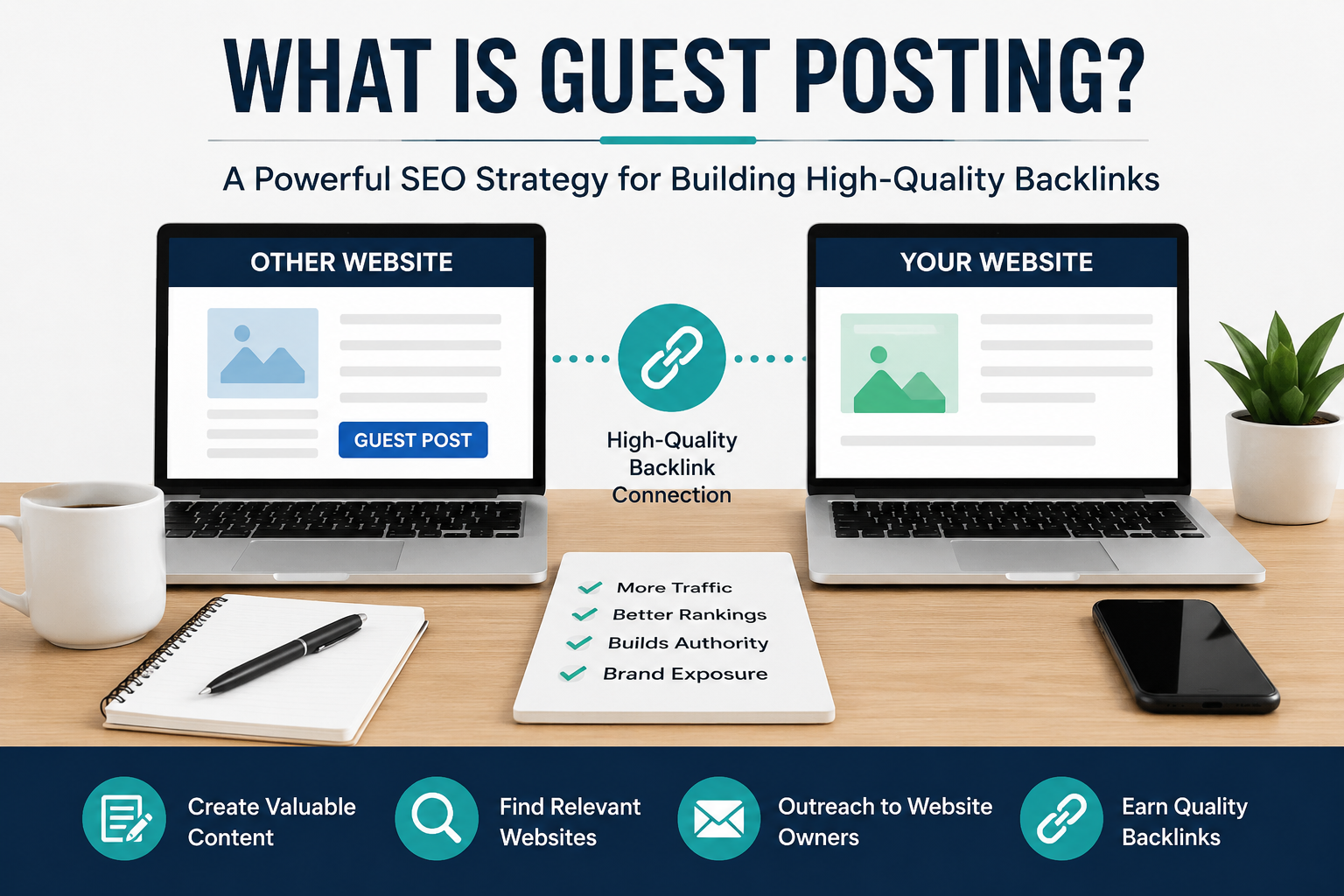
The strategy involves creating valuable, original content for another website within your industry and earning a contextual backlink back to your own website.
A successful guest posting campaign focuses on:
Relevant websites
Real audience value
High-quality content
Natural link placement
Industry authority
For example, an SEO agency can publish educational articles on marketing websites, business publications, and technology platforms to build topical authority.
However, quality matters more than quantity. Publishing hundreds of low-value guest posts on unrelated websites can weaken your backlink profile instead of improving it.
Best practice:
Choose websites that have:
Relevant topics
Genuine traffic
Engaged readers
Strong editorial standards
Internal Link Opportunity: Link “guest posting” → Elite Link Agency Guest Posting service page.
2. Niche Edits and Contextual Link Building
Niche edits, also known as link insertions, involve adding your backlink naturally into an existing article that is already published and indexed.
This strategy works because the link is placed within content that already has:
Search engine visibility
Existing authority
Relevant context
For example, if an existing article discusses SEO tools, adding a link to a related SEO resource creates value for readers while providing a relevant backlink.
The goal is not simply inserting a link. The goal is improving an existing resource by adding useful information.
Internal Link Opportunity: Link “niche edits” → Elite Link Agency Niche Edits page.
3. Create Link-Worthy Content Assets
One of the most sustainable ways to earn backlinks is by creating content that other websites naturally want to reference.
Examples of link-worthy content include:
Industry research
Original statistics
Expert roundups
Detailed guides
Case studies
Free tools
Templates
Comprehensive resources
For example, a detailed SEO study with original data can attract backlinks from bloggers, journalists, and industry professionals.
The principle is simple:
Create something valuable enough that others want to recommend it.
4. Digital PR and Brand Mentions
Digital PR combines public relations with SEO to earn mentions and backlinks from authoritative publications.
This strategy can include:
Expert commentary
Industry insights
Newsworthy research
Business announcements
Expert interviews
When trusted publications mention your brand, you gain:
Authority
Visibility
Brand recognition
Valuable referral traffic
Digital PR is especially effective for businesses competing in competitive industries.
5. Broken Link Building
Broken link building involves finding outdated or inactive links on relevant websites and suggesting your content as a replacement.
The process:
Find broken links on authoritative websites
Identify content that can replace the missing resource
Reach out to the website owner
Suggest your relevant page
This approach helps both sides:
The website owner fixes a broken resource
Your website earns a valuable backlink
It works best when your replacement content genuinely improves the original resource.
6. Resource Page Link Building
Many websites maintain resource pages that recommend useful tools, guides, and industry websites.
Getting included on these pages can create valuable backlinks.
Examples:
“Best SEO Resources”
“Digital Marketing Tools”
“Industry Guides”
“Helpful Business Resources”
To succeed, your content must provide genuine value and fit naturally with the resource page.
7. Strategic Blogger Outreach
Blogger outreach involves building relationships with website owners, publishers, and content creators to earn relevant mentions and links.
Effective outreach is not about sending thousands of identical emails.
A successful approach includes:
Personalized communication
Understanding the website audience
Offering valuable content ideas
Building long-term relationships
Quality relationships often lead to better opportunities than short-term link acquisition.
The Best Link Building Strategy in 2026
There is no single backlink method that works for every business.
The strongest SEO campaigns usually combine multiple strategies:
Guest posting for authority
Niche edits for contextual relevance
Content marketing for natural links
Digital PR for brand visibility
Outreach for relationship building
A balanced approach creates a natural backlink profile that supports long-term rankings.
The best white hat link building strategies in 2026 include guest posting, niche edits, digital PR, link-worthy content creation, broken link building, resource page outreach, and relationship-based blogger outreach.
Guest Posts vs Niche Edits: Which Backlink Strategy Should You Choose?
Both guest posts and niche edits are effective white hat link building strategies, but they serve different purposes. The right choice depends on your SEO goals, timeline, and overall marketing strategy.
Guest posts focus on creating new content and publishing it on relevant websites, while niche edits focus on adding links naturally into existing content that already has authority and search visibility.
Guest Posting: Best for Long-Term Authority and Brand Growth
Guest posting is a strong choice when you want to:
Guest posting works especially well for businesses that want to build long-term topical authority.
Niche Edits: Best for Contextual Authority and Faster Placement
Niche edits are useful when you want to:
Gain contextual backlinks from existing articles
Benefit from already indexed content
Build links within relevant topics
Support existing SEO campaigns
Because the content already exists, niche edits can often provide faster placement compared to creating and publishing a new article.
However, the quality of the existing article and website relevance are critical factors.
Which One Should You Choose?
The best approach is usually not choosing one over the other.
A strong backlink profile often includes a combination of:
Strategy
Best For
Guest Posts
Brand authority, expertise, long-term growth
Niche Edits
Contextual relevance, faster link acquisition
Content Marketing
Natural link earning
Digital PR
Brand visibility and authority
Businesses that want sustainable SEO growth should focus on building a diverse backlink profile rather than depending on a single link building method.
Learn More:
For a detailed comparison of both strategies, read our complete guide:
✅ Avoids keyword cannibalization ✅ Supports existing comparison article ✅ Keeps this article focused on “building backlinks” ✅ Creates internal link flow
Common Link Building Mistakes That Can Hurt Your SEO
Building backlinks can significantly improve search visibility, but the wrong approach can waste time, budget, and even damage your website’s reputation.
Many businesses make the mistake of focusing only on the number of backlinks instead of understanding what makes a link valuable. Modern SEO requires a quality-first approach where every backlink should be relevant, natural, and beneficial for users.
Here are some common link building mistakes to avoid in 2026.
1. Prioritizing Quantity Over Quality
One of the biggest mistakes in link building is believing that more backlinks automatically lead to better rankings.
A website with thousands of low-quality links may perform worse than a website with a smaller number of relevant, authoritative backlinks.
For example:
A backlink from a trusted industry publication can provide more value than hundreds of links from unrelated websites.
A successful SEO strategy focuses on:
Relevant websites
Editorial placements
Real audiences
Natural link growth
The goal is not to collect links. The goal is to build authority.
2. Getting Backlinks From Irrelevant Websites
Relevance plays a major role in backlink quality.
A link should make sense within the context of your industry and content.
For example:
A marketing agency receiving a backlink from an SEO blog is relevant.
However, receiving a backlink from an unrelated website with no connection to marketing provides little value.
Before acquiring a backlink, always evaluate:
Does this website cover topics related to my industry?
Would their audience find my content useful?
Does the link naturally fit the article?
3. Using Excessive Exact Match Anchor Text
Anchor text helps search engines understand the topic of a linked page, but over-optimizing it can create an unnatural backlink profile.
A common mistake is using the same keyword-rich anchor text repeatedly across many websites.
Instead, maintain a natural anchor text distribution using:
Brand names
Website names
Natural phrases
Relevant keyword variations
A natural backlink profile should look like it was created because people genuinely found your content valuable.
4. Buying Cheap Backlinks Without Checking Quality
Low-cost backlink packages often promise hundreds or thousands of links quickly.
The problem is that these links frequently come from:
Spam websites
Automated networks
Low-quality domains
Irrelevant pages
Cheap backlinks may create short-term numbers but rarely provide sustainable SEO value.
Domain metrics alone do not tell the complete story.
A website may have impressive SEO metrics but very little real audience engagement.
Before building a backlink, consider:
Does the website receive organic traffic?
Is the content updated regularly?
Do real users interact with the website?
Does it have authority in its niche?
Real websites with real audiences create stronger SEO opportunities.
6. Building Links Too Quickly
Natural websites usually earn backlinks gradually.
A sudden increase in hundreds of unrelated backlinks can appear unnatural and may reduce the effectiveness of your SEO efforts.
A sustainable link building strategy focuses on:
Consistent growth
Quality placements
Relevant websites
Long-term relationships
7. Creating Backlinks Without Improving Your Own Website
Backlinks can help increase authority, but they work best when supported by strong website fundamentals.
Before building links, make sure your website has:
Helpful content
Proper technical SEO
Good user experience
Optimized landing pages
Clear search intent
A strong backlink pointing to weak content will not deliver maximum results.
How to Build Backlinks the Right Way
A successful backlink strategy focuses on three principles:
Relevance
Earn links from websites connected to your industry.
Quality
Choose trusted websites with real authority and users.
Value
Create links that improve the experience of people reading the content.
When these principles guide your strategy, backlinks become a long-term growth asset instead of just an SEO metric.
Common link building mistakes include focusing on quantity over quality, building irrelevant backlinks, overusing exact-match anchor text, buying cheap links, and ignoring website authority and relevance.
How Elite Link Agency Builds High Quality Backlinks
Building effective backlinks requires more than simply placing links on different websites. A successful SEO campaign depends on choosing the right websites, creating relevant content, and earning placements that provide genuine value to users.
At Elite Link Agency, our approach focuses on quality-driven white hat link building designed to improve website authority, strengthen organic visibility, and create sustainable SEO growth.
Instead of focusing on the number of backlinks, we focus on building meaningful connections between relevant websites, valuable content, and the right audience.
1. Researching Relevant Websites and Opportunities
Every successful backlink campaign starts with proper research.
We analyze potential websites based on factors such as:
Industry relevance
Website authority
Organic visibility
Content quality
Audience relevance
Link profile quality
The goal is to identify websites where a backlink makes sense naturally.
A backlink should not exist only for search engines. It should provide value to people who discover your website through that placement.
2. Focusing on Contextual Link Placements
Context is one of the most important elements of modern link building.
A backlink placed naturally inside relevant content creates a stronger connection between websites.
Our campaigns focus on:
Relevant articles
Natural link placement
Helpful surrounding content
Appropriate anchor text
This approach helps search engines better understand the relationship between your website and the topics you want to rank for.
3. Creating Valuable Content for Link Acquisition
Content plays an important role in earning authoritative backlinks.
Whether through guest posts or content partnerships, every placement should provide useful information to readers.
Effective content should:
Answer real user questions
Provide expert insights
Match search intent
Support the target audience
High quality content increases the chances of earning valuable editorial backlinks.
4. Using Trusted Publisher Websites
The website where your backlink appears matters.
Our approach focuses on connecting businesses with relevant publisher websites that have:
Established content history
Real audiences
Industry relevance
Quality editorial standards
A strong backlink profile is built through trusted relationships, not random link placements.
5. Building a Natural Backlink Profile
A successful SEO campaign requires diversity.
A natural backlink profile may include:
Guest posts
Niche edits
Brand mentions
Content-based links
Industry references
By combining different white hat strategies, businesses can build stronger authority while maintaining a natural growth pattern.
6. Transparent and Quality-Focused Process
A professional link building campaign should be clear and measurable.
Our process focuses on:
Understanding your website and goals
Identifying relevant opportunities
Selecting suitable publisher websites
Creating valuable content
Securing contextual placements
Monitoring backlink quality
This ensures every backlink supports your overall SEO strategy.
Why Choose Elite Link Agency for Link Building?
Choosing the right link building partner can make a significant difference in SEO performance.
Businesses work with Elite Link Agency because we focus on:
✅ Relevant website placements ✅ White hat SEO practices ✅ Quality over quantity ✅ Contextual backlinks ✅ Manual research and outreach ✅ Long-term SEO growth
Our goal is to help businesses build authority through backlinks that are valuable today and continue supporting organic growth over time.
Elite Link Agency builds high quality backlinks through relevant website research, contextual placements, valuable content creation, trusted publisher partnerships, and white hat SEO strategies focused on long-term growth.
How Long Does It Take for Backlinks to Improve Rankings?
One of the most common questions businesses ask is: “How long does it take for backlinks to improve SEO rankings?”
The answer depends on several factors, including website authority, competition level, content quality, backlink relevance, and the overall SEO strategy.
In most cases, backlinks do not create instant ranking changes. Search engines need time to discover, evaluate, and understand the value of new links before they influence search visibility.
A quality backlink campaign is a long-term investment focused on building authority and improving organic performance over time.
Factors That Influence How Quickly Backlinks Work
1. Website Authority and Current SEO Strength
An established website with strong technical SEO and quality content may see improvements faster than a new website with limited authority.
Before backlinks can create maximum impact, your website should have:
Optimized pages
Helpful content
Good internal linking
Strong technical SEO foundation
Backlinks work best when they support an already optimized website.
2. Quality and Relevance of Backlinks
Not all backlinks have the same impact.
A relevant backlink from a trusted website in your industry may provide stronger value than multiple links from unrelated websites.
Factors that influence backlink effectiveness include:
Website relevance
Authority of linking domain
Content quality
Context of the link
User value
High quality backlinks generally create more sustainable results compared to large volumes of low-quality links.
3. Competition of Your Target Keywords
The time required to improve rankings also depends on how competitive your keywords are.
For example:
Low competition keywords may improve within a shorter period.
Highly competitive keywords may require months of consistent SEO efforts.
Industries such as finance, healthcare, technology, and marketing often require stronger authority-building strategies because many established websites compete for the same searches.
4. Search Engine Discovery and Evaluation
After a backlink is created, search engines need time to:
Discover the link
Crawl the page
Evaluate its relevance
Process ranking signals
This process is not immediate, which is why SEO results should be measured over time rather than after a few days.
Typical Timeline for Backlink Results
While every website is different, a realistic timeline often looks like this:
Time Period
Possible Results
First few weeks
Search engines discover new backlinks
1–3 months
Early improvements in authority and visibility may appear
3–6 months
More noticeable ranking and traffic improvements may develop
6+ months
Stronger long-term SEO growth from accumulated authority
(Results vary depending on industry, competition, website condition, and SEO execution.)
Why Sustainable Link Building Takes Time
Effective SEO is not about creating a sudden spike of backlinks. Search engines value natural authority growth.
A sustainable backlink strategy focuses on:
Consistent link acquisition
Relevant websites
Valuable content
Natural anchor text
Long-term relationships
This approach creates a stronger foundation compared to short-term tactics that may put a website at risk.
Can Backlinks Alone Guarantee Higher Rankings?
No SEO strategy can guarantee a specific ranking position because search engines consider hundreds of factors.
Backlinks are one important part of SEO, but the best results come from combining:
Quality content
Technical optimization
User experience
Internal linking
Keyword targeting
Authority building
A complete SEO strategy creates the strongest opportunity for long-term growth.
Backlinks can take several weeks to months to influence SEO rankings. The timeline depends on backlink quality, website authority, keyword competition, content quality, and overall SEO strategy.
Frequently Asked Questions About High Quality Backlinks
What are high quality backlinks?
High quality backlinks are links from trusted, relevant websites that point to your website naturally. They come from authoritative sources, appear within useful content, and provide value to users as well as search engines.
A strong backlink is not just about the website’s metrics. Relevance, context, trust, and audience quality all play an important role.
Do backlinks still work for SEO in 2026?
Yes, backlinks are still an important part of SEO in 2026. However, search engines now focus more on backlink quality rather than quantity.
Relevant, editorial backlinks from trusted websites can help improve website authority, organic visibility, and rankings when combined with strong content and technical SEO.
How many backlinks do I need to rank on Google?
There is no fixed number of backlinks required to rank on Google.
The number depends on factors such as:
Keyword competition
Website authority
Content quality
Existing competitors
Backlink quality
A few highly relevant backlinks can sometimes outperform hundreds of low-quality links.
Are paid backlinks safe for SEO?
Paid backlinks can be risky if they are created only to manipulate rankings or come from low-quality websites.
A safer approach is investing in quality placements such as:
Relevant guest posts
Editorial mentions
Contextual backlinks
Industry-related websites
The focus should always be on earning valuable links that provide real user benefits.
What is the difference between backlinks and high quality backlinks?
A backlink is simply any link from another website to your website.
A high quality backlink comes from a trusted and relevant source with:
Strong topical connection
Natural placement
Valuable content
Real audience
Editorial credibility
The difference is the value and trust behind the link.
How can I build high quality backlinks?
Businesses can build quality backlinks through strategies such as:
Guest posting
Niche edits
Digital PR
Creating link-worthy content
Blogger outreach
Industry partnerships
The best strategy depends on your goals, industry, and target audience.
What type of backlinks does Google value most?
Google values backlinks that are natural, relevant, and earned because they provide value to users.
The strongest backlinks usually come from:
Authoritative websites
Relevant industry publications
Contextually related articles
Trusted sources with real audiences
How long does it take to see results from backlinks?
Backlink results can take several weeks to months depending on factors like website authority, competition, backlink quality, and overall SEO strategy.
SEO is a long-term process, and consistent quality improvements usually create stronger results over time.
Conclusion: Build High Quality Backlinks That Create Long-Term SEO Growth
Backlinks continue to play an important role in SEO, but successful link building in 2026 is no longer about collecting the highest number of links.
The focus has shifted toward building high quality backlinks from relevant, trusted websites that provide real value to users.
A strong backlink strategy combines:
Relevant publisher websites
Valuable content
Contextual link placements
Natural anchor text
Consistent outreach
White hat SEO practices
Whether you choose guest posting, niche edits, digital PR, or content-based link acquisition, the goal should always be the same: build authority that supports long-term organic growth.
Low-quality shortcuts may create temporary results, but sustainable SEO comes from earning links that search engines and users can trust.
The best backlink campaigns are built with patience, strategy, and a clear understanding of your industry, audience, and competition.
Build High Quality Backlinks With Elite Link Agency
Finding the right websites, managing outreach, and creating a natural backlink profile requires experience and consistent effort.
At Elite Link Agency, we help businesses strengthen their online authority through strategic white hat link building, including:
Guest post placements
Niche edit backlinks
Contextual link building
Publisher website partnerships
Quality backlink campaigns
Our focus is simple: create meaningful backlinks that support your SEO goals and help your website grow sustainably.
Ready to improve your website authority with a quality-focused backlink strategy?
Explore our link building services and discover how Elite Link Agency can help you build stronger search visibility.