Getting backlinks through guest posting isn’t just about finding websites. The real challenge is convincing website owners to respond to your email. Many outreach campaigns fail because the messages are generic, rushed, or focused only on getting a backlink instead of providing value.
Successful guest post outreach is built on research, personalization, and genuine relationship building. A well-crafted email can significantly improve your response rate and open the door to high-quality backlinks that strengthen your website’s authority.
In this guide, you’ll learn proven guest post outreach strategies, common mistakes to avoid, and practical tips that help you earn more replies and build lasting partnerships in 2026.
What Is Guest Post Outreach?
Guest post outreach is the process of contacting website owners, editors, or bloggers to request the opportunity to publish content on their websites. In return, you typically earn a relevant backlink to your own website, helping improve your search engine rankings, referral traffic, and online authority.
Unlike mass email campaigns, effective guest post outreach focuses on building genuine relationships. It involves researching the right websites, understanding their audience, and sending personalized pitches that explain how your content will benefit their readers.
When done correctly, guest post outreach is one of the most reliable white-hat link-building strategies. It helps businesses increase brand visibility, reach new audiences, and earn high-quality backlinks that support long-term SEO growth.
How to Outreach for Guest Posts (Step-by-Step)
Step 1: Find Relevant Websites
Step 2: Find the Right Contact Person
Step 3: Research the Website
Step 4: Write a Personalized Email
Step 5: Send Your Guest Post Pitch
Step 6: Follow Up Professionally
Step 7: Deliver High-Quality Content
Why Most Guest Post Outreach Emails Fail
Many outreach campaigns fail because they focus on quantity instead of quality. Website owners receive dozens of guest post requests every day, making it easy to ignore emails that feel generic or self-promotional.
Here are some of the most common reasons outreach emails don’t get a response:
Using generic templates that look copied and sent to hundreds of websites.
Failing to research the website before sending a pitch.
Suggesting irrelevant topics that don’t match the site’s audience.
Writing long, confusing emails instead of getting to the point.
Asking for a backlink without offering value to the website owner.
Never following up after the first email.
The good news is that these mistakes are easy to avoid. A personalized, value-driven approach can dramatically increase your reply rate and help you build long-term relationships with publishers.
11 Proven Ways to Get More Replies
Getting more replies isn’t about sending hundreds of emails—it’s about sending better ones. The following strategies are used by successful SEO professionals and outreach specialists to improve response rates, build genuine relationships, and secure high-quality guest posting opportunities.
1. Target Relevant Websites
The success of your outreach starts with choosing the right websites. Focus on blogs and businesses that are closely related to your niche and publish content similar to your expertise. A relevant website is far more likely to accept your pitch than one that has no connection to your industry.
Before reaching out, review their recent articles, publishing style, audience, and guest posting guidelines. This research helps you create a personalized pitch that feels authentic rather than automated.
A smaller, highly targeted outreach list often produces better results than emailing hundreds of unrelated websites.
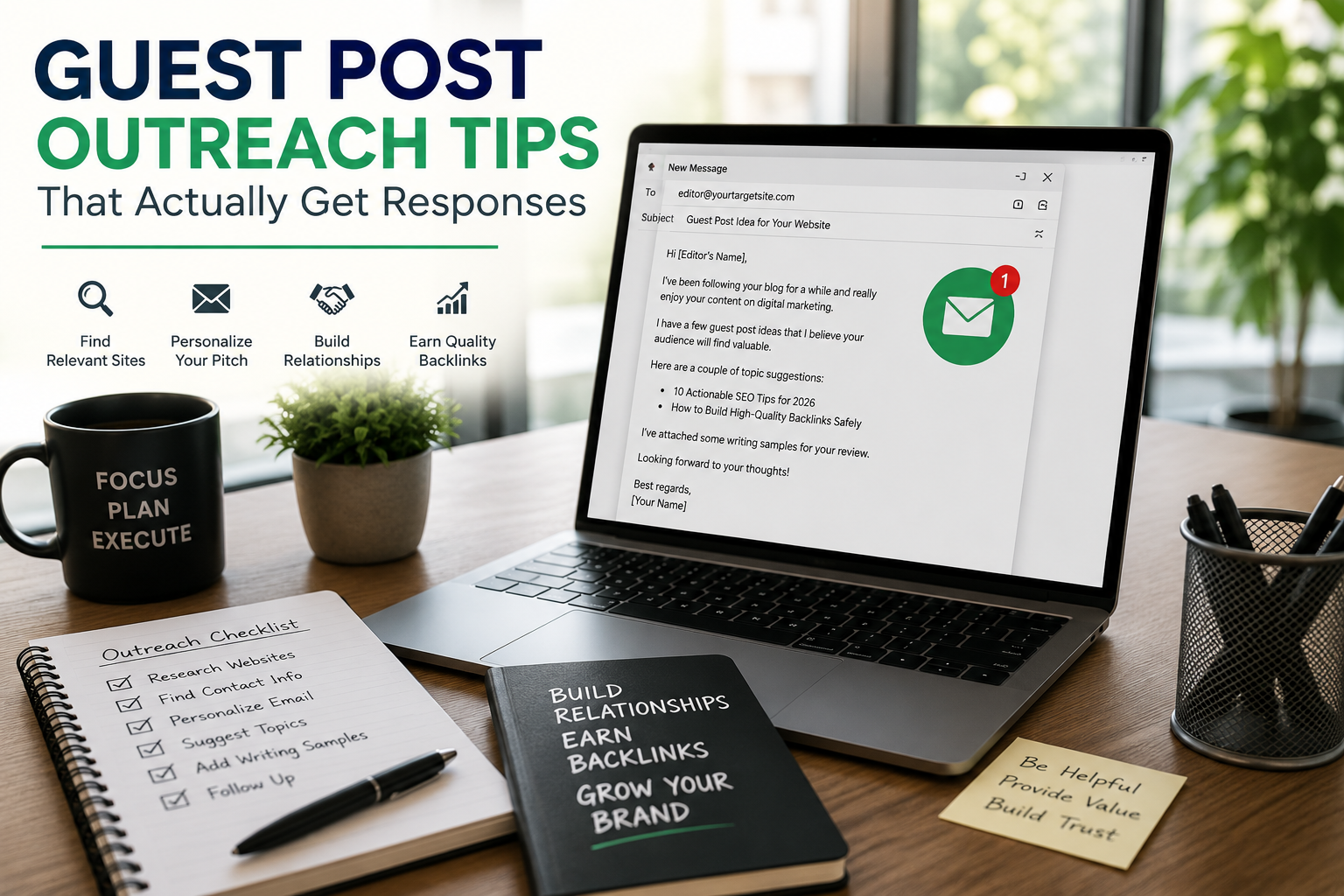
2. Personalize Every Outreach Email
One of the biggest mistakes in guest post outreach is sending the same email to every website. Editors can usually spot a generic template within seconds, and those emails often end up ignored or deleted.
Take a few minutes to research the website before reaching out. Mention a recent article you enjoyed, explain why their audience would benefit from your topic, and address the editor by name whenever possible. Small details show that you’ve invested time in understanding their website.
Your goal isn’t just to ask for a guest post—it’s to demonstrate that your content will provide value to their readers. A personalized email feels genuine, builds trust, and significantly increases the chances of receiving a positive reply.
Quick Personalization Checklist
Use the editor’s or website owner’s name.
Mention a recent article from their blog.
Suggest a topic that fits their audience.
Keep your email concise and easy to read.
Explain the value your article will provide.
3. Write Subject Lines That Get Opened
Your subject line determines whether your email gets opened or ignored. Even the best outreach pitch won’t work if the recipient never clicks on your message.
Keep your subject lines short, relevant, and natural. Avoid clickbait, excessive capitalization, or spammy words like “FREE,” “URGENT,” or “LIMITED OFFER.” Instead, make it clear that you’re reaching out with a genuine content collaboration.
Here are a few examples of effective guest post outreach subject lines:
Guest Post Idea for [Website Name]
Content Collaboration Opportunity
Article Suggestion for Your Blog
Guest Contribution for Your Readers
Quick Guest Post Proposal
A simple, professional subject line builds trust and improves your email open rate, giving your outreach campaign a stronger chance of success.
Pro Tip: Test different subject lines over time and track which ones generate the highest open and reply rates. Small improvements can make a big difference across large outreach campaigns.
4. Offer Valuable Content Ideas
A common reason guest post pitches get rejected is that the proposed topics don’t match the website’s audience. Instead of sending a vague message asking if they’re accepting guest posts, show that you’ve done your homework by suggesting content ideas that genuinely fit their blog.
Spend a few minutes reviewing their recent articles and identifying gaps you can fill. Your goal is to offer fresh, practical, and well-researched topics that complement their existing content rather than repeat it.
Whenever possible, include 2–3 article ideas in your outreach email. Giving editors multiple options makes it easier for them to choose a topic that aligns with their editorial calendar.
Example Topic Ideas
A beginner-friendly guide that solves a common industry problem.
A data-backed article featuring recent trends or case studies.
A practical how-to guide with actionable tips readers can apply immediately.
When editors see that you’ve already invested time in creating relevant ideas, they’re much more likely to reply and continue the conversation.
5. Keep Your Email Short and Clear
Website owners are busy. Most receive dozens of outreach emails every day, so they don’t have time to read long introductions or sales pitches. A concise, well-structured email has a much better chance of getting a response.
Start by introducing yourself in one sentence. Briefly explain why you’re reaching out, suggest your guest post idea, and highlight how it will benefit their audience. End with a simple call to action, such as asking whether they’d be interested in reviewing your topic.
Aim to keep your outreach email between 100 and 150 words. This is usually enough to communicate your message without overwhelming the reader.
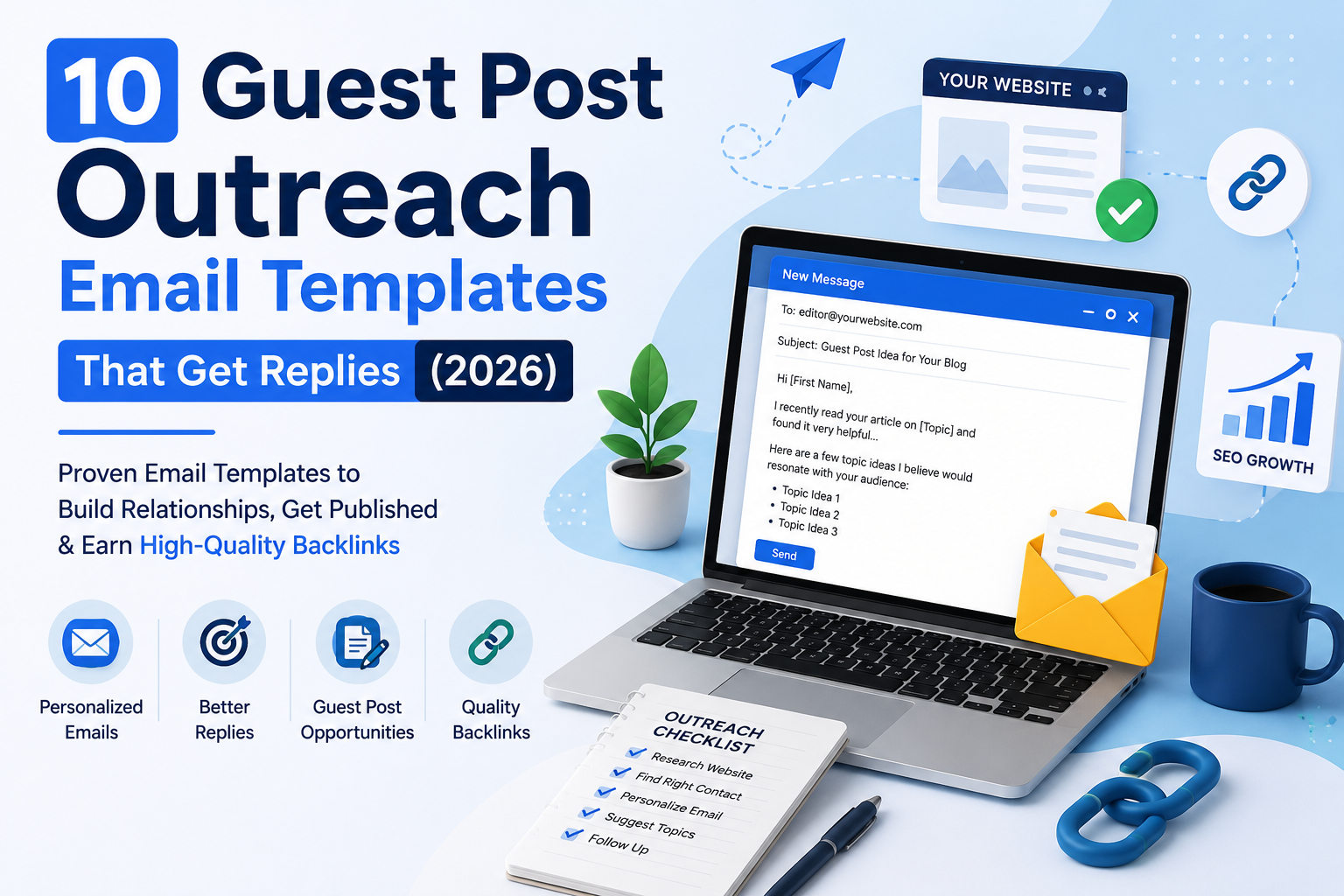
Example Outreach Email
Subject: Guest Post Idea for [Website Name]
Hi [First Name],
I recently read your article on [Topic] and found it very insightful. I have a unique article idea that I believe would provide additional value to your readers.
Proposed Topic:How to Build High-Quality Backlinks Without Spammy Tactics
The article would be original, well-researched, and written specifically for your audience. If you’re interested, I’d be happy to send a detailed outline.
Looking forward to hearing from you.
Best regards, [Your Name]
6. Follow Up Without Being Pushy
Not every editor will respond to your first email, and that doesn’t always mean they’re not interested. Many website owners simply have busy schedules, so a polite follow-up can significantly improve your chances of getting a reply.
Wait 5–7 days before sending your first follow-up. Keep your message brief, friendly, and professional. Instead of asking why they haven’t replied, simply remind them about your original email and let them know you’re still happy to contribute.
If you don’t receive a response after one or two follow-ups, move on. Repeated emails can damage your reputation and reduce the likelihood of future collaborations.
Simple Follow-Up Example
Subject: Following Up on My Guest Post Idea
Hi [First Name],
I just wanted to follow up on my previous email in case it slipped through your inbox. I’d still love to contribute a valuable article to [Website Name] if you’re accepting guest posts.
Please let me know if you’re interested. Thanks for your time!
Best regards, [Your Name]
Best Practices for Follow-Ups
Wait at least 5–7 days before following up.
Send no more than 2 follow-up emails.
Stay polite and respectful.
Never pressure the website owner for a response.
End with a simple call to action.
7. Build Relationships, Not Just Backlinks
The most successful outreach campaigns focus on building long-term relationships rather than securing a single backlink. Website owners are far more likely to work with contributors they know, trust, and enjoy collaborating with.
Instead of treating outreach as a one-time transaction, stay connected after your guest post is published. Share the article on your social media channels, respond to comments if appropriate, and thank the editor for the opportunity. These small actions leave a positive impression and increase your chances of future collaborations.
Strong relationships can lead to recurring guest posting opportunities, niche edits, expert roundups, podcast invitations, and other valuable partnerships that support your SEO and brand growth.
Ways to Build Lasting Relationships
Share and promote the published article.
Send a thank-you message after publication.
Engage with their content on social media.
Offer fresh topic ideas in the future.
Focus on providing value before asking for another opportunity.
Pro Tip: One trusted publishing partner is often more valuable than dozens of one-time backlinks. Consistent collaborations help build authority, credibility, and long-term SEO success.
8. Demonstrate Your Expertise with Writing Samples
Editors want confidence that your content will meet their quality standards. One of the easiest ways to build trust is by including links to your best published work. Strong writing samples show your experience, writing style, and ability to create valuable content.
Choose two or three articles that are relevant to the website you’re contacting. For example, if you’re pitching a marketing blog, share your best SEO or digital marketing articles rather than unrelated topics.
If you’re just starting out and don’t have guest posts yet, use well-written articles from your own website or portfolio. Quality matters more than quantity.
What to Include in Your Pitch
2–3 high-quality published articles.
Content relevant to the website’s niche.
Articles with clear formatting and useful information.
Examples that demonstrate your expertise and writing style.
Showing proof of your work reduces uncertainty for editors and increases the likelihood of receiving a positive response.
9. Track Your Outreach Results
Successful guest post outreach is driven by data, not guesswork. Tracking your outreach efforts helps you understand what’s working, identify areas for improvement, and maximize your response rate over time.
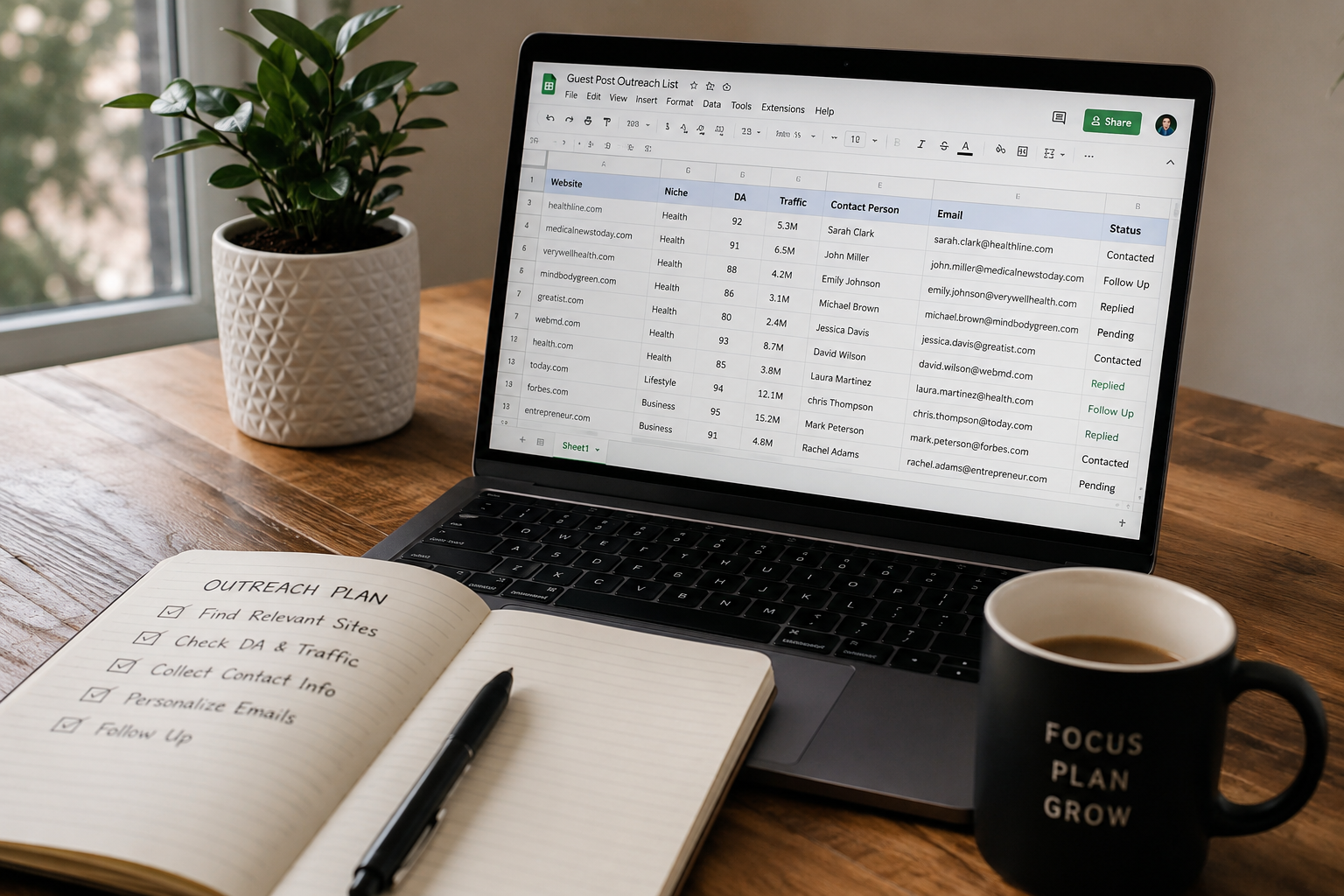
Create a simple spreadsheet or use a CRM to record every outreach campaign. Track important details such as the website name, contact person, email address, outreach date, follow-up dates, response status, and whether your guest post was accepted.
Monitoring these metrics helps you avoid duplicate outreach, stay organized, and discover which strategies generate the best results.
Important Metrics to Track
Emails sent
Open rate
Reply rate
Positive responses
Guest posts published
Backlinks earned
Follow-up status
Pro Tip: Review your outreach performance every month. Small improvements—such as better subject lines, stronger personalization, or more relevant website targeting—can significantly increase your overall success rate.
10. Avoid Common Outreach Mistakes
Even experienced marketers can make mistakes that reduce reply rates. A small oversight—such as using a generic email or pitching an irrelevant topic—can be enough for an editor to ignore your message.
Before sending any outreach email, review it carefully. Make sure it is personalized, relevant, and focused on providing value rather than simply asking for a backlink.
Common Mistakes to Avoid
Sending the same email template to every website.
Not addressing the editor by name.
Pitching topics that don’t fit the website’s niche.
Writing overly long or sales-focused emails.
Ignoring the website’s guest posting guidelines.
Forgetting to proofread for grammar and spelling.
Sending too many follow-up emails.
Asking for backlinks without explaining the value of your content.
Avoiding these mistakes makes your outreach more professional and increases the likelihood of building long-term relationships with editors and website owners.
Quick Tip: Before clicking Send, ask yourself: Would I respond to this email if I received it? If the answer is no, revise it before reaching out.
11. Be Consistent and Improve Your Outreach Process
Guest post outreach is a long-term strategy, not a one-time task. Even the most experienced outreach specialists don’t receive a reply to every email. The key is to stay consistent, learn from each campaign, and continuously improve your approach.
Review your outreach performance regularly to identify patterns. You may discover that certain subject lines generate more opens, personalized emails receive more replies, or specific industries respond better than others. Use these insights to refine your outreach strategy over time.
Remember that building relationships takes patience. Every conversation, even those that don’t result in a guest post, helps you understand what website owners value and how you can improve future pitches.
Ways to Continuously Improve
Test different subject lines and email formats.
Refine your guest post ideas based on feedback.
Keep your outreach list updated with high-quality websites.
Build genuine relationships instead of chasing quick backlinks.
Measure your results and optimize your strategy every month.
Final Tip: Consistency beats volume. Sending 20 thoughtful, personalized outreach emails will almost always produce better results than sending 200 generic templates.
Conclusion
Guest post outreach is one of the most effective ways to earn high-quality backlinks, increase your brand’s visibility, and build meaningful relationships within your industry. The key isn’t sending more emails—it’s sending better ones.
By researching the right websites, personalizing every pitch, offering valuable content ideas, following up professionally, and tracking your results, you can consistently improve your outreach success rate over time.
Remember that every successful collaboration starts with providing value. Focus on helping website owners serve their audience, and the backlinks will follow naturally.
🚀 Ready to Build High-Quality Backlinks?
Access our database of 5,000+ vetted publisher websites or request a custom website list tailored to your niche, target country, budget, and SEO goals.
Finding the right websites, crafting personalized pitches, and managing outreach campaigns takes time. If you’d rather focus on growing your business, let the experts handle it for you.
At Elite Link Agency, we help businesses secure high-quality guest posting opportunities on trusted websites across multiple industries. From prospect research and personalized outreach to content placement and white-hat link building, our team manages the entire process with transparency and quality at every step.
👉 Explore our Guest Posting Services and start building authoritative backlinks that deliver long-term SEO results.
Frequently Asked Questions
1. What is guest post outreach?
Guest post outreach is a specialised form of blogger outreach that focuses on contacting website owners, editors, and publishers to secure guest posting opportunities.
2. How do I increase my guest post outreach response rate?
Research each website, personalize every email, suggest relevant article ideas, keep your message concise, and send polite follow-ups after 5–7 days if you don’t receive a response.
3. How many follow-up emails should I send?
Sending one or two professional follow-up emails is generally recommended. If you still don’t receive a reply, move on to other opportunities.
4. What should a guest post outreach email include?
A good outreach email should include a personalized introduction, a brief explanation of why you’re reaching out, two or three relevant topic ideas, links to writing samples, and a clear call to action.
5. Is guest post outreach still effective in 2026?
Yes. When done ethically and with high-quality content, guest post outreach remains one of the most effective white-hat link-building strategies for improving SEO and building authority.
6. How long should a guest post outreach email be?
Keep your email between 100 and 150 words. Short, personalized emails are more likely to be read and receive a response.